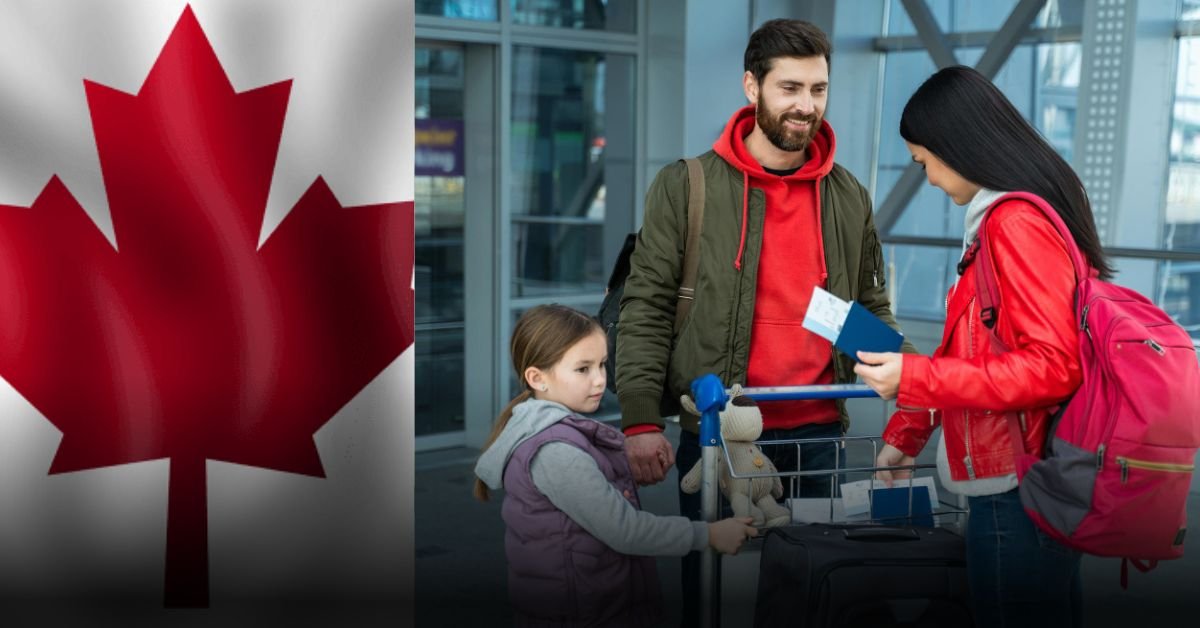
Are you ready to turn your marriage into a permanent future in Canada? Becoming a Permanent Resident through marriage in Canada has reached a new level of efficiency in 2026. With the full integration of the IRCC Permanent Resident Portal guide and AI-assisted processing, the dream of living together is closer than ever.
However, the path is paved with technical requirements. From navigating the GCKey vs. PR Portal access to understanding the eCOPR issuance process, this guide covers everything you need to secure Canada PR through Spousal Sponsorship 2026.
Understanding the Spousal Sponsorship PR Timeline 2026
In 2026, IRCC (the Canadian immigration office) says how long applications usually take. But sometimes it takes longer because they have many applications.
Latest times (early 2026):
- If your spouse lives outside Canada (outland, not Quebec): about 14 months.
- If your spouse lives inside Canada (inland, not Quebec): about 21 months.
- In Quebec: 35 to 36 months (much longer).
These are normal times. Some people finish faster. Some wait more if there is a problem.
Main Steps:
- Submission: You send your application online. It goes to IRCC. You can check it later.
- AOR (Acknowledgement of Receipt): IRCC sends you a message saying they got your papers. It comes in a few weeks or up to 2 months. If you apply inland, this message often lets the sponsored spouse apply for a work permit to work in Canada while waiting.
- Biometrics: Fingerprints and photo. If you gave them in the last 10 years, IRCC may use the old ones. If not, you must give new ones.
- Eligibility and Security Check: IRCC checks if your marriage is real. They look at your photos, chats, visits, and proof you live like a couple. They also check if you are safe to come to Canada. This part takes a lot of time.
Be patient. Answer IRCC fast if they ask for more papers. This helps you finish sooner.
In-Canada Class vs. Family Class: Which is Faster?
You can apply in two ways: Inland or Outland.
- Inland (Inside Canada): Use this if the sponsored spouse already lives in Canada with the sponsor. Good points: The sponsored spouse can get an Open Work Permit after AOR. This permit lets them work in Canada while waiting. Bad point: They should not leave Canada for long. If they leave and cannot return (like if their visa ends), the application may stop. Now inland takes about 21 months (outside Quebec).
- Outland (Outside Canada): Use this if the sponsored spouse lives in another country. Good points: Usually faster (about 14 months outside Quebec). Easier to travel during waiting. If refused, you can appeal. Bad point: Hard to get a work permit unless they already have a visa to enter Canada.
Which is better for you?
- Choose inland if you already live together in Canada and the sponsored spouse can stay.
- Choose outland if you want it faster or if the spouse is outside Canada. Many people pick outland because it is quicker. Think about where you are and what you need.
Navigating the Digital PR Portal 2.0
IRCC does almost everything online now. After approval, they use the Permanent Resident Portal. This is a special online page for the last steps.
Virtual Landing 2026
You do not need to go to the airport or border for an interview in most cases. After approval, IRCC sends you a link to the portal (if you are in Canada).
You do these things:
- Log in.
- Say you are in Canada.
- Put your address.
- Upload a photo.
- Photo Rules for the Portal: The photo must be very clear. White background. No shadow. Face straight. Correct size. If the photo is wrong, IRCC asks for a new one. Fix it fast.
- eCOPR: After you finish in the portal, IRCC gives you eCOPR (electronic paper). This proves you are now a permanent resident. You can use eCOPR for work, bank, or doctor right away. Later, your plastic PR card comes by mail.
This online way is easy if you are already in Canada. If you come from another country, you may do landing at the airport.
Financial Compliance & The RPRF Payment
You must pay all money when you apply. If you forget, your application stops or waits a long time.
Fees in 2026 (in Canadian dollars):
- Sponsorship fee: $85
- Processing fee: $545
- Right of Permanent Residence Fee (RPRF): $575
Total: $1,205 for one person. Biometrics cost extra ($85) if you need them.
Important Tip: The sponsor promises to take care of the sponsored spouse for 3 years after PR. This means pay for food, house, and health even if you separate. Think well before you agree.
Pay online when you send the application. Check IRCC website for correct fees.
Life After PR: Rights and Obligations
When you get eCOPR, you are a Permanent Resident! Your PR card comes by mail in about 2 months.
What you can do as PR:
- Get Social Insurance Number (SIN) fast. You need SIN for job or government help.
- Get health care in your province (like free doctor in Ontario or BC) soon after AOR or eCOPR.
- Work anywhere in Canada.
- Study without extra permit.
Rules you must follow:
- Live in Canada at least 2 years (730 days) in every 5 years.
- If you were sponsored, you cannot sponsor another spouse for 5 years.
Follow rules to keep your PR safe.
FAQ: Frequently Asked Questions
-
Can I leave Canada while my inland application is waiting?
It is dangerous. If you cannot come back (visa problem), IRCC may close your application.
-
What is AI Fraud Detection?
Computers check if your marriage is fake. They look at your papers, social media, and money you share. If something looks wrong, they ask more questions.
-
How long for PR card in 2026?
About 2 months after eCOPR.
Take the Next Step
Spousal sponsorship to Canada PR in 2026 needs time, true love proof, good papers, and correct online steps. Many couples do it and live happily in Canada.
Do you want a simple list of documents for your country?
Disclaimer: This is only to help you understand. Rules can change. Always look at the official IRCC website (www.canada.ca) or ask a real immigration expert before you apply.